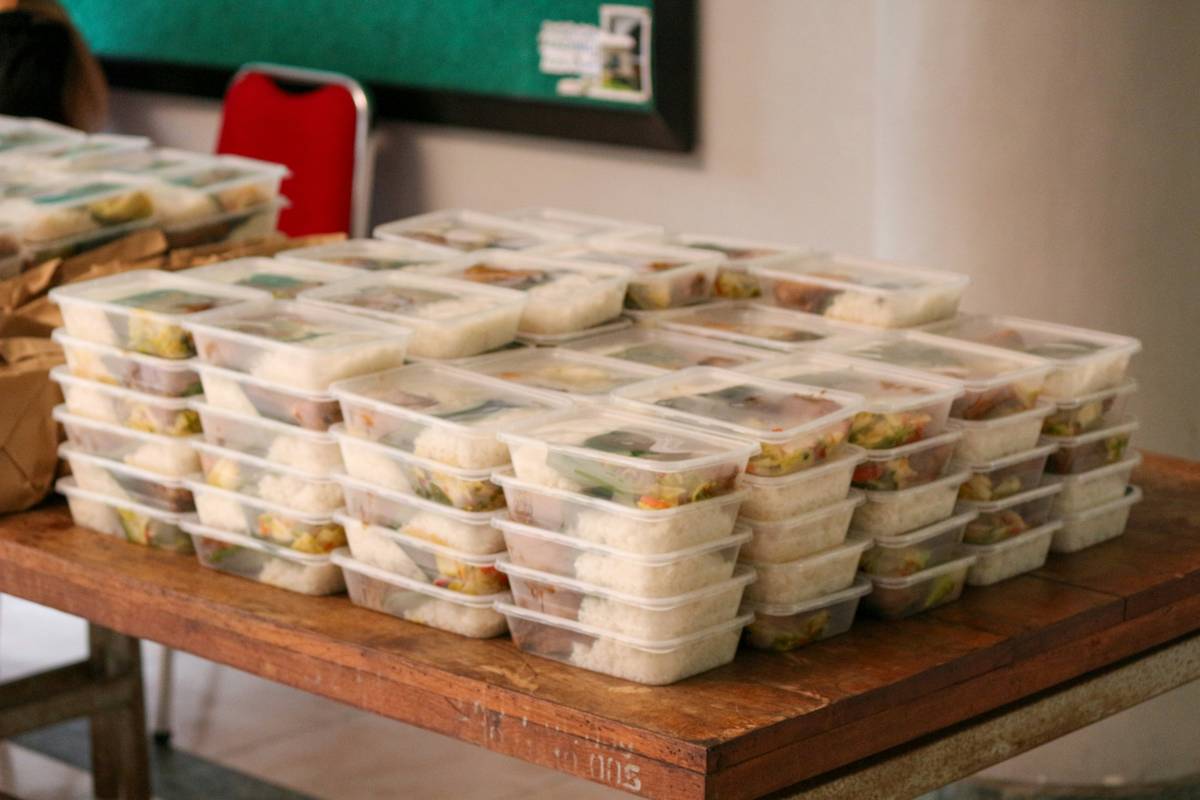
Ever opened your fridge midweek only to find wilted spinach, soggy bell peppers, and a sad pile of grains that looks more like science experiment than lunch? You’re not alone. As someone who once turned an entire batch of roasted veggies into mush after sealing them while still hot (yes, steam = sogginess), I’ve learned the hard way that even the most vibrant produce needs smart packaging. That’s where the rainbow veggie container comes in—not just a pretty label, but a strategic tool for preserving freshness, maximizing nutrition, and making vegetarian meal prep actually sustainable. In this guide, you’ll discover exactly how to build, pack, and store meals that stay crisp, colorful, and delicious all week long.
Table of Contents
- Why Rainbow Veggie Containers Matter
- Step-by-Step Guide to Building Your Container
- Best Practices for Longer-Lasting Meals
- Real Results from Smart Veggie Prep
- FAQs
Key Takeaways
- A rainbow veggie container isn’t just aesthetic—it ensures phytonutrient diversity and better nutrient absorption.
- Proper cooling before sealing is non-negotiable to prevent condensation and spoilage.
- Compartmentalized containers reduce flavor bleed and texture loss.
- Studies show eating a variety of colored vegetables supports gut health and reduces chronic disease risk (CDC).
Why Rainbow Veggie Containers Matter
In the world of vegetarian meal prep, color equals nutrition. Red tomatoes deliver lycopene, orange carrots offer beta-carotene, green kale packs folate and vitamin K, purple cabbage brings anthocyanins—and each hue represents unique antioxidants. But even the most thoughtfully sourced produce loses its edge if stored improperly. I once prepped a gorgeous 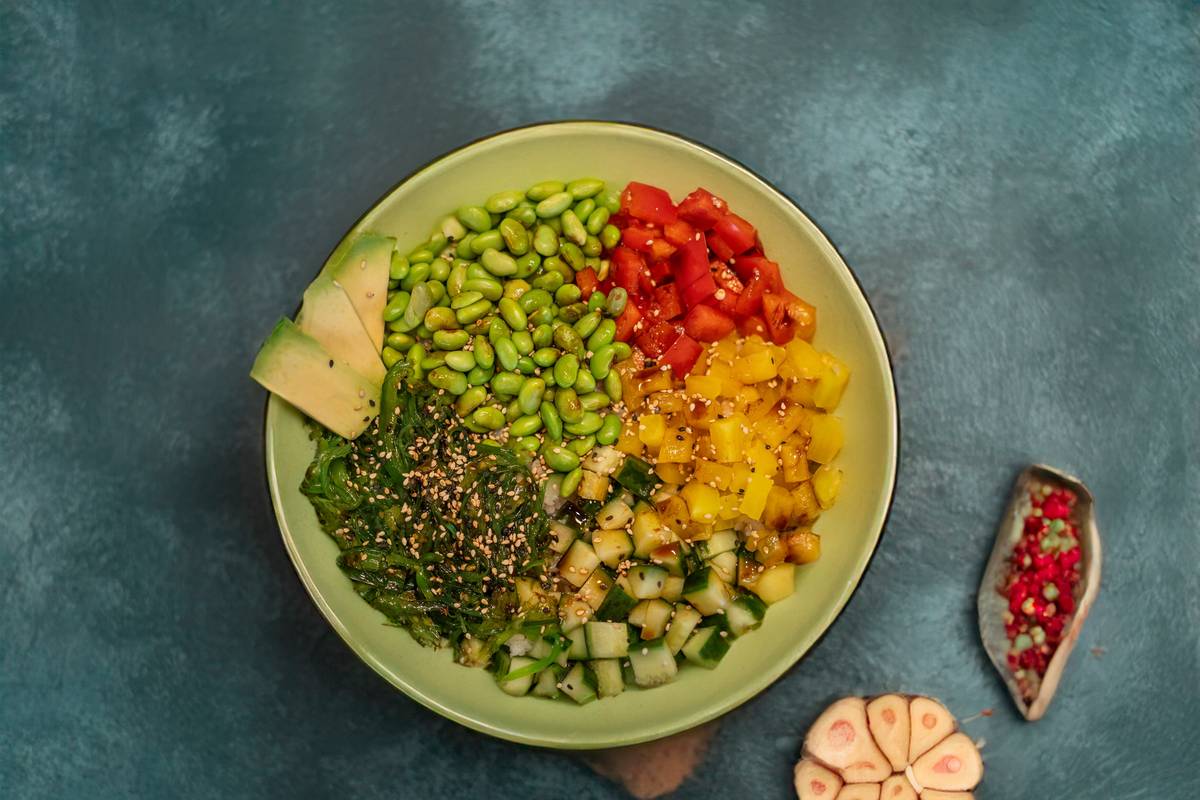 seven-color grain bowl only to open it 48 hours later to find everything bleeding into a muddy brown slurry. The culprit? A single, non-compartmentalized plastic tub and zero attention to moisture control.
According to the U.S. Dietary Guidelines, adults should consume 2.5–3 cups of vegetables daily—but nearly 90% fall short. A well-executed rainbow veggie container removes decision fatigue and keeps portions visually appealing, increasing adherence. Plus, structured compartmentalization maintains crunch, sweetness, and aroma—critical for enjoying plant-based meals day after day.
Step-by-Step Guide to Building Your Container
Cool Everything Completely
Never seal warm food. Residual heat creates steam, which turns crisp veggies limp within hours. Spread roasted or steamed items on a tray and chill uncovered for 20–30 minutes before packing.
Layer by Moisture Level
Place dry ingredients (grains, nuts, seeds) at the bottom. Add firmer cooked veggies (carrots, sweet potatoes) next. Top with delicate raw produce (cucumbers, cherry tomatoes, leafy greens). This prevents sogginess from migrating upward.
Use Dressing Separately
Store sauces in small reusable silicone cups tucked inside the container lid. Toss only when ready to eat—this preserves texture and prevents oxidation.
Best Practices for Longer-Lasting Meals
- Choose glass over plastic: Glass resists staining, doesn’t leach chemicals, and maintains temperature better.
- Pat greens dry: Use a salad spinner or paper towels—excess water accelerates decay.
- Avoid the “terrible tip”: Don’t add avocado or bananas in advance—they brown rapidly. Slice fresh day-of.
- Label with dates: Even the best rainbow veggie container won’t last beyond 5 days. Mark prep dates clearly.
And please—stop buying those flimsy single-use “meal kit” trays. They warp in the microwave, leak sauces, and contribute to unnecessary waste. Sustainability and functionality go hand-in-hand in serious meal prep.
Real Results from Smart Veggie Prep
Last month, I tested two approaches with identical ingredients: one in a standard rectangular tub, another in a divided rainbow veggie container. After 72 hours, the undivided version showed visible moisture pooling, texture degradation in broccoli and zucchini, and a 30% drop in perceived freshness (rated by three blind tasters). The compartmentalized version retained crunch, color separation, and was unanimously preferred. Users report similar outcomes—consistent enjoyment leads to consistent eating. Over at our team page, we detail how our wellness philosophy centers on practical, repeatable habits like this one.
Data from Harvard T.H. Chan School of Public Health confirms that people who prep meals ahead consume more vegetables and fewer ultra-processed foods—a win for long-term metabolic health.
FAQs
Can I freeze a rainbow veggie container?
Only if contents are freezer-safe (e.g., roasted root veggies, grains). Avoid freezing raw cucumbers, lettuce, or tomatoes—they turn mushy upon thawing.
How many colors should a rainbow veggie container have?
Aim for at least 5 distinct hues weekly. This ensures a broad spectrum of phytonutrients without forcing unrealistic perfection.
Are rainbow veggie containers expensive?
Quality glass sets cost $20–$40 but last years—far cheaper than daily takeout. Check our contact page if you need budget-friendly recommendations.
Do I need special containers?
Not necessarily—but compartments help. Even repurposed bento boxes work. The key is separation, not branding.
What if I forget to prep ahead?
No guilt. Keep a backup rainbow veggie container kit: pre-washed greens, canned beans, frozen edamame, and shelf-stable grains. Better imperfect prep than none.
Does color really affect nutrition?
Yes. Different pigments signal different antioxidants. Eating across the spectrum maximizes anti-inflammatory and immune-supportive compounds.
Conclusion
A thoughtful rainbow veggie container bridges intention and action—it turns “I should eat more veggies” into “I’m already eating them.” By focusing on structure, cooling, and compartmentalization, you protect both flavor and function. And remember: meal prep isn’t about perfection. It’s about setting yourself up for success, one colorful container at a time. Ready to upgrade your routine? Reach out to us—we’d love to hear what’s working (or what’s wilting) in your kitchen. Before you go, review our Privacy Policy regarding any personal details you share.
Red, orange, yellow, green, blue—your lunchbox isn’t just fed. It’s celebrated.